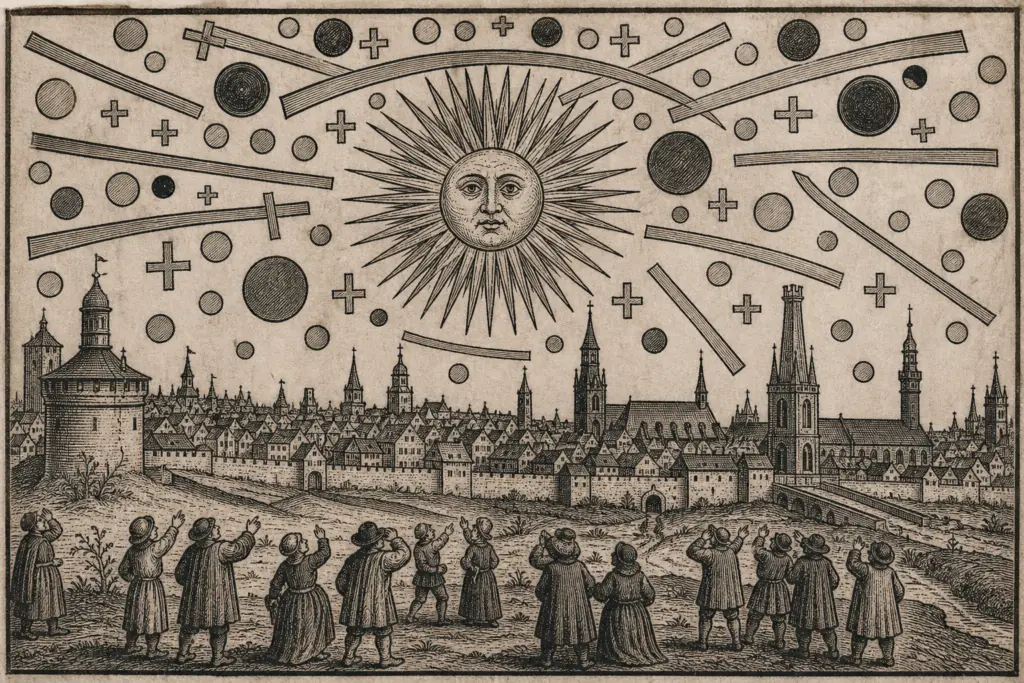
The 1561 Nuremberg Celestial Broadsheet: Primary Source, Woodcut, and Competing Explanations
Explore the 1561 Nuremberg sky battle, Hans Glaser's woodcut, its religious context, and why solar halo displays offer the likeliest explanation.
 Countdown to Disclosure
The briefing archive brings together reporting, explainers, profiles, source reviews, and historical context. Each briefing is an editorial work: it should identify who made a claim, link to the closest available records, distinguish observation from explanation, and say when the public evidence cannot support a firm conclusion.
Briefings may examine a reported encounter, an official investigation, a hearing or legislative proposal, a public figure’s documented statements, a released image or dataset, or the history of a recurring claim. The archive includes both unresolved cases and claims for which ordinary explanations, contradictory evidence, or provenance problems are material. Inclusion is not endorsement, and the words unidentified or declassified do not establish origin.
Cards are presented by the site’s publication timestamp, with newer publications first, and the archive continues across numbered pages. That order is editorial chronology, not event chronology: an article published recently may concern a decades-old record. The date on a card is the publication date. A briefing can later be corrected or expanded, so use the updated date on the article itself when deciding which version you read. Pagination should preserve its own canonical URL; this full introduction belongs on page one, while later pages should use a short archive label rather than repeat the entire block.
Start with the links inside a briefing, not its headline alone. The site prefers legislation, hearing records, agency publications, archival files, court records, datasets, original media, and full on-record statements. A government file can document that an allegation was received without validating it. A witness can accurately describe an experience while the cause remains uncertain. The Editorial Policy explains the standards for attribution, headlines, corrections, automation, and conflicts.
Use the chronological timeline to move by event date, the Topic Clusters directory to follow a durable theme across years, and the Primary Sources desk to find official repositories and original records. When a single statement is driving your search, work through the claim-evaluation guide before comparing briefings. These routes narrow the question without implying that an archive card, category, or unresolved label settles it.
Explore the 1561 Nuremberg sky battle, Hans Glaser's woodcut, its religious context, and why solar halo displays offer the likeliest explanation.
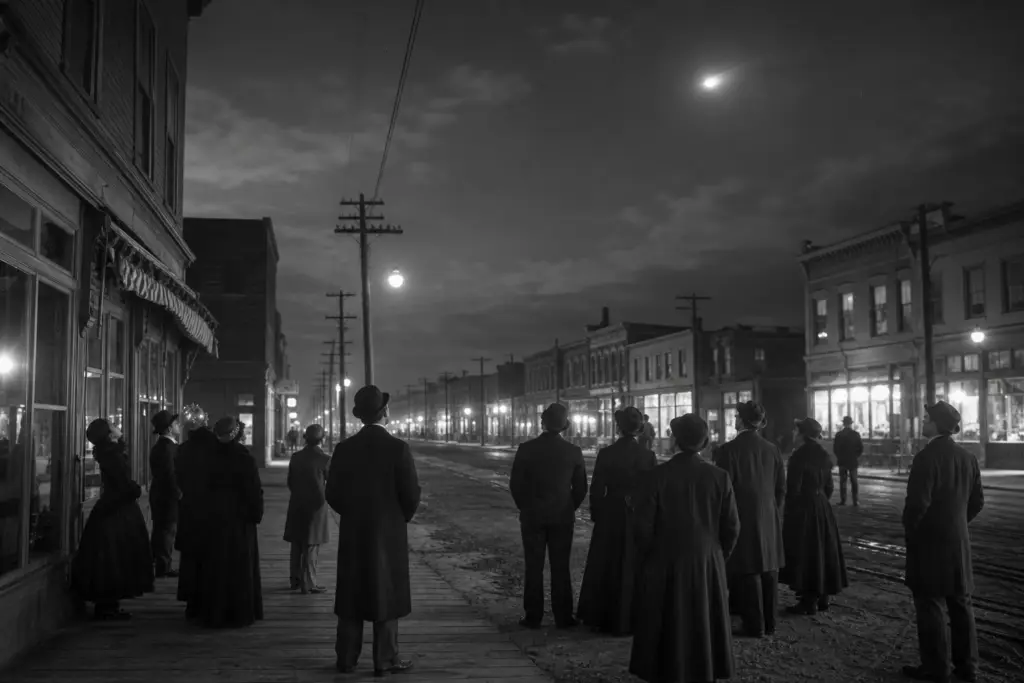
Explore the 1896-1897 mystery airship wave, its reports, hoaxes and technology, and learn why historians compare it to modern UFO flaps.
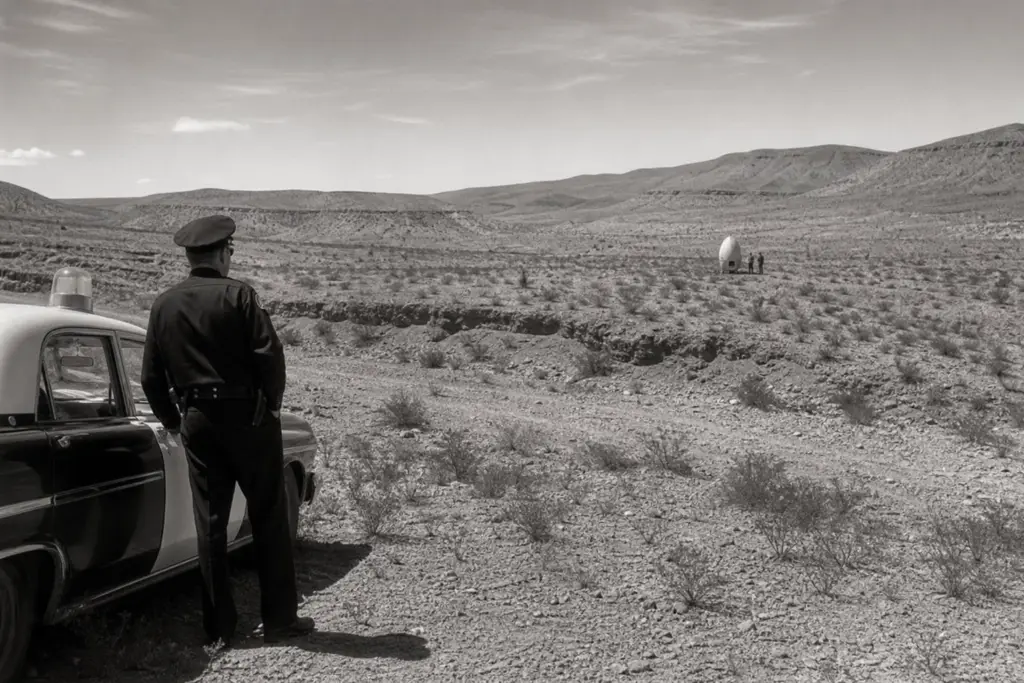
The useful starting point is the record's specificity: a named patrol officer, a definite roadside-to-arroyo sequence, and a location investigators could
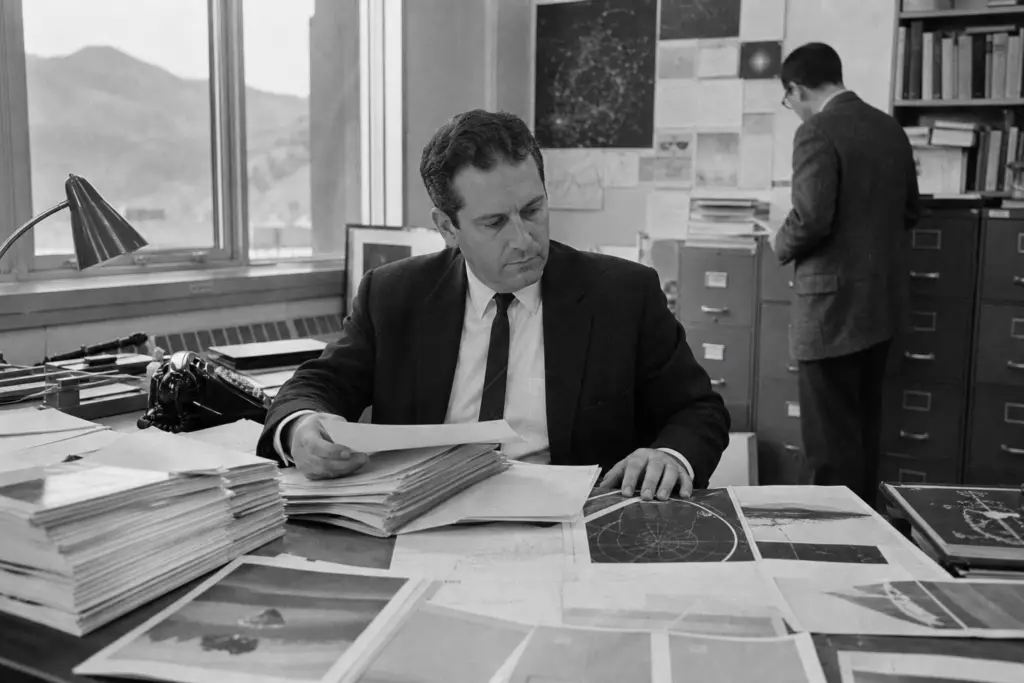
Explore the 1968 Condon Committee study, its UFO findings, controversies, limits, and role in ending Project Blue Book in 1969.
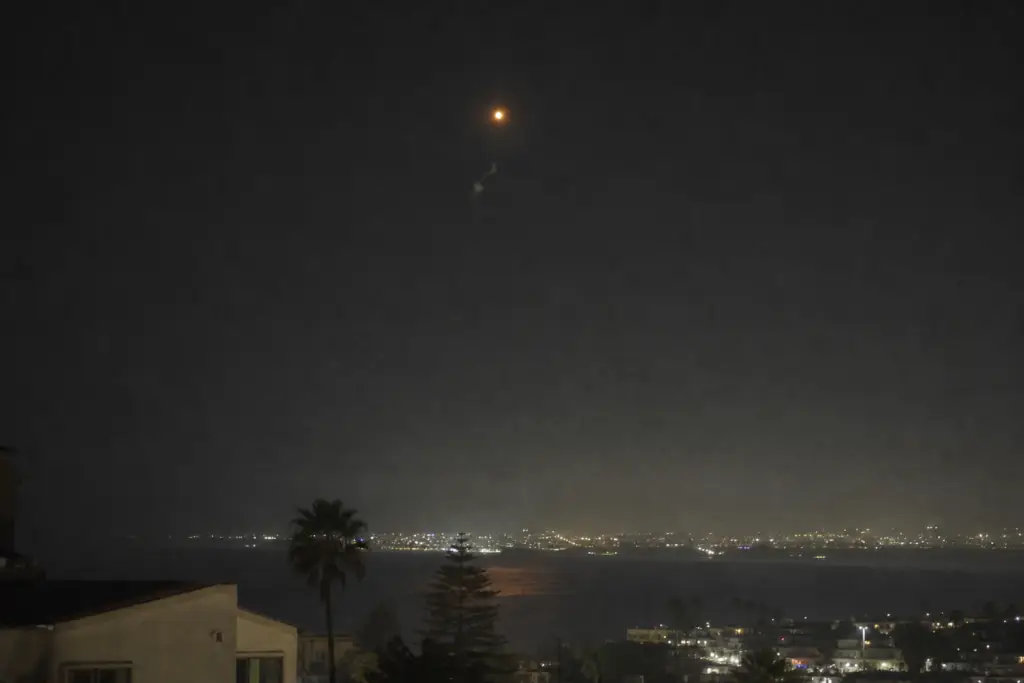
Examine the 2010 San Diego UFO sighting, including the orange glow, reported motion and apparent discharge, plus evidence and possible explanations.
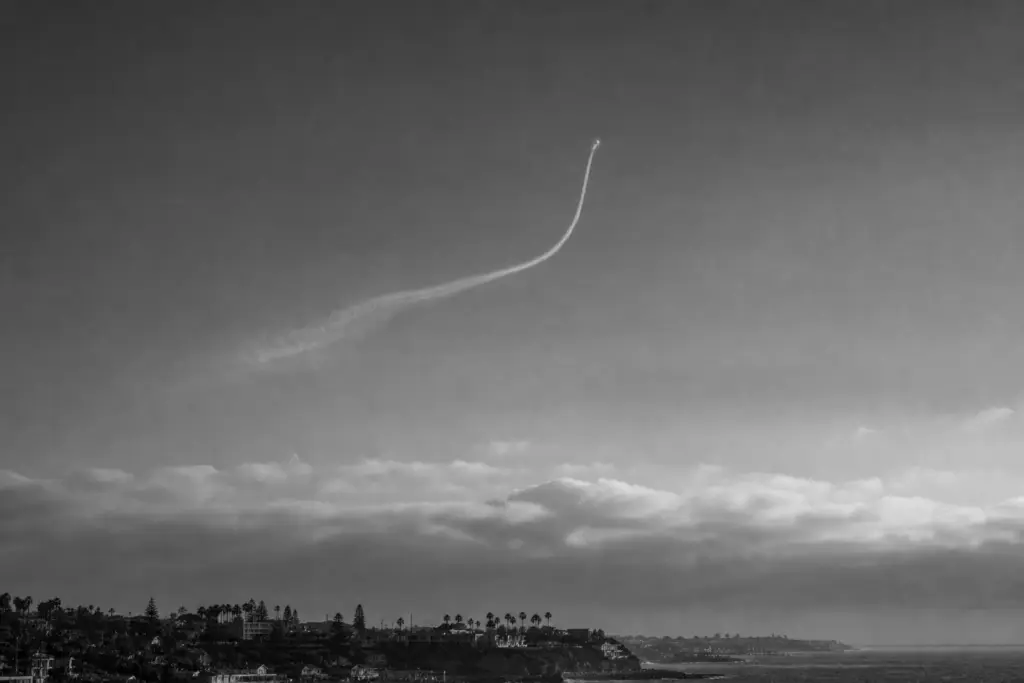
Investigate the 2020 San Diego UFO sighting, its white trail, video perspective, and launch records to assess possible explanations.
Learn how the 2024 Intelligence Authorization Act UAP provisions strengthen reporting, limit unreported funding, and do not confirm alien claims.
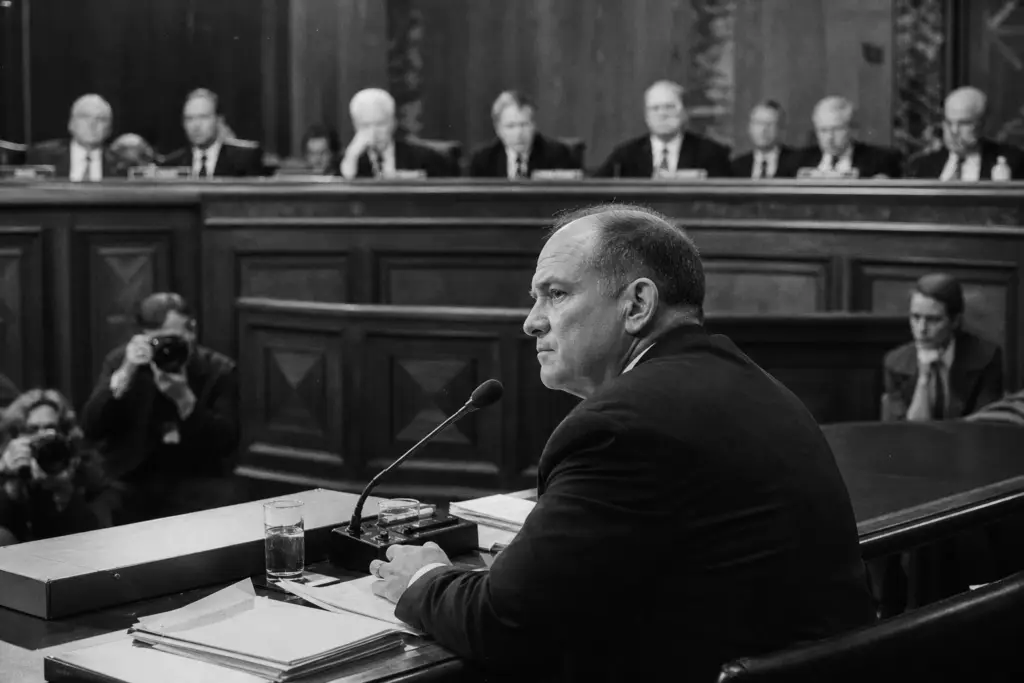
Explore Sean Kirkpatrick Senate testimony 2023, what AARO said about unresolved UAP cases, evidence limits, and what the hearing did not prove.
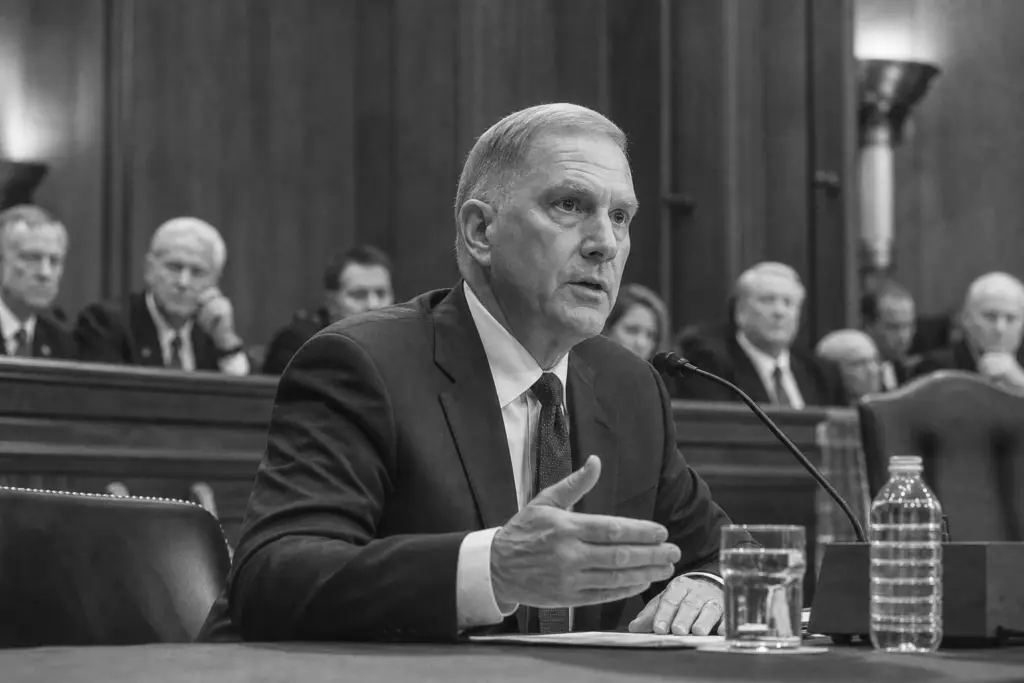
Examine Sean Kirkpatrick UAP testimony from the April 19, 2023 Senate hearing, including AARO's evidence, data gaps and oversight questions.

Learn how the AARO UAP website, aaro.mil, launched in 2023, what it published, who could report sightings, and its disclosure limits.
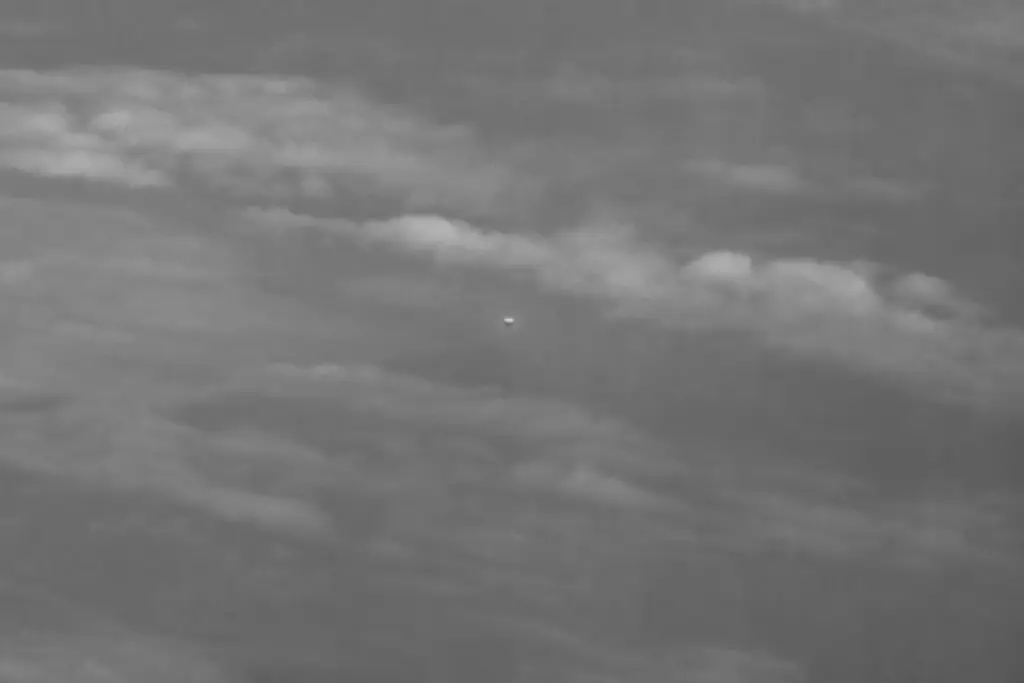
Explore the AARO MQ-9 metallic orb video, its 2022 recording, 2023 Senate hearing link, and why officials still classify the case as unresolved.
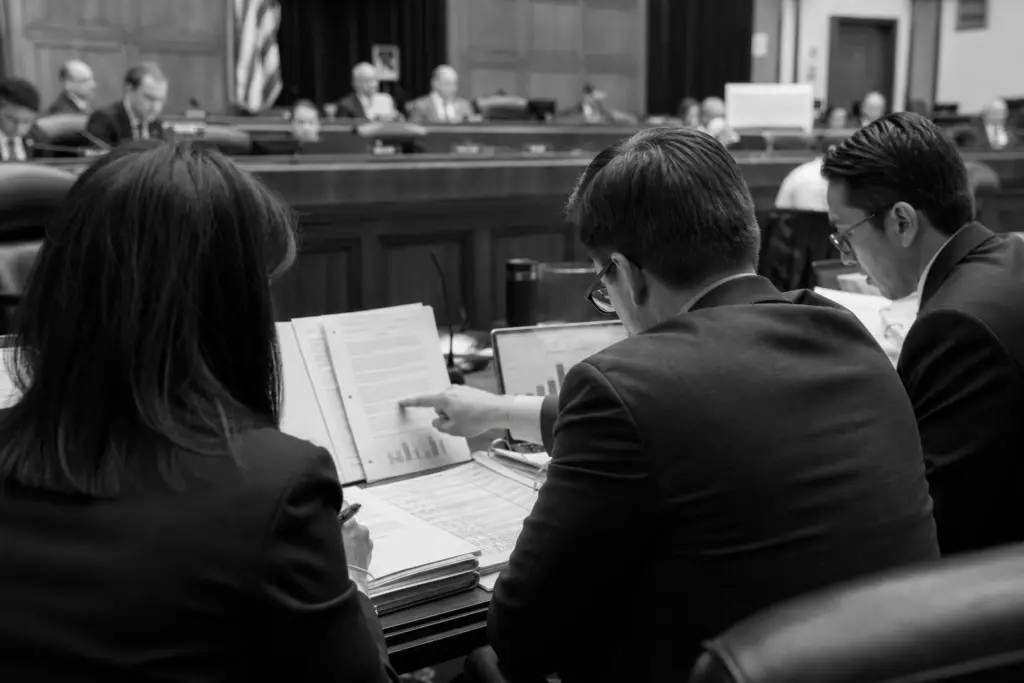
Learn what the AARO report 2025 can reveal, what to ignore, and which evidence, methods, and oversight questions matter most.